Christophe mignon #artisan
#champagne
#adn de meunier
"Our primary quest is the balance between heaven and earth, roots and branches, minerals and fruit, fragrance and flavour..."
01
transmission
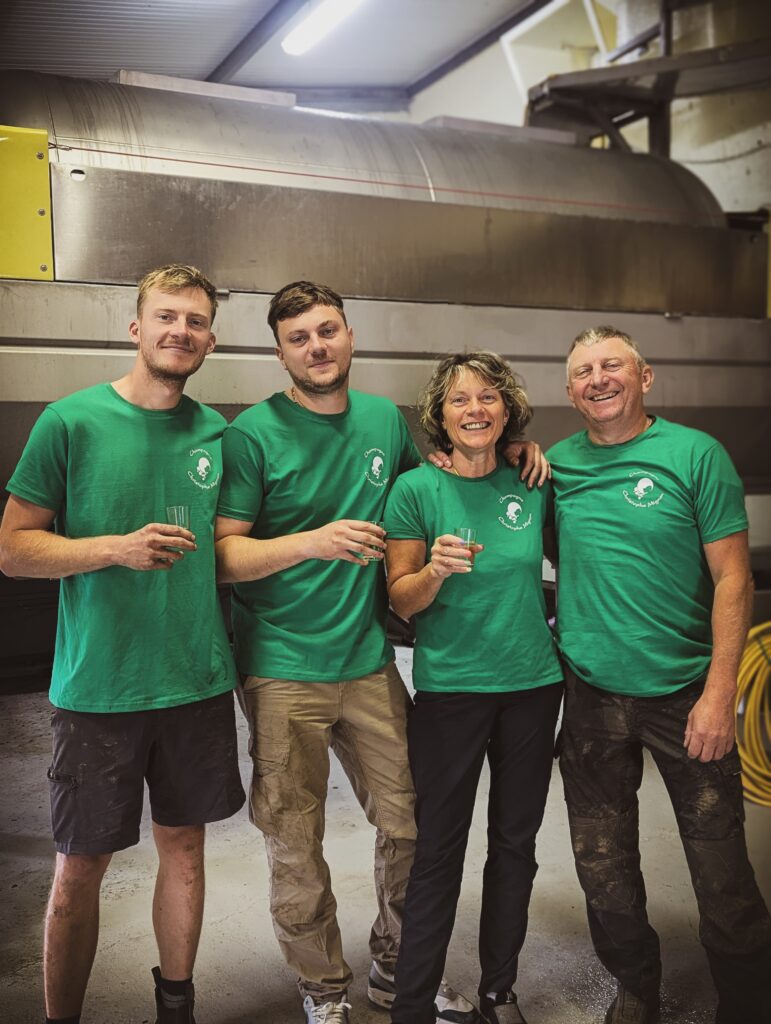
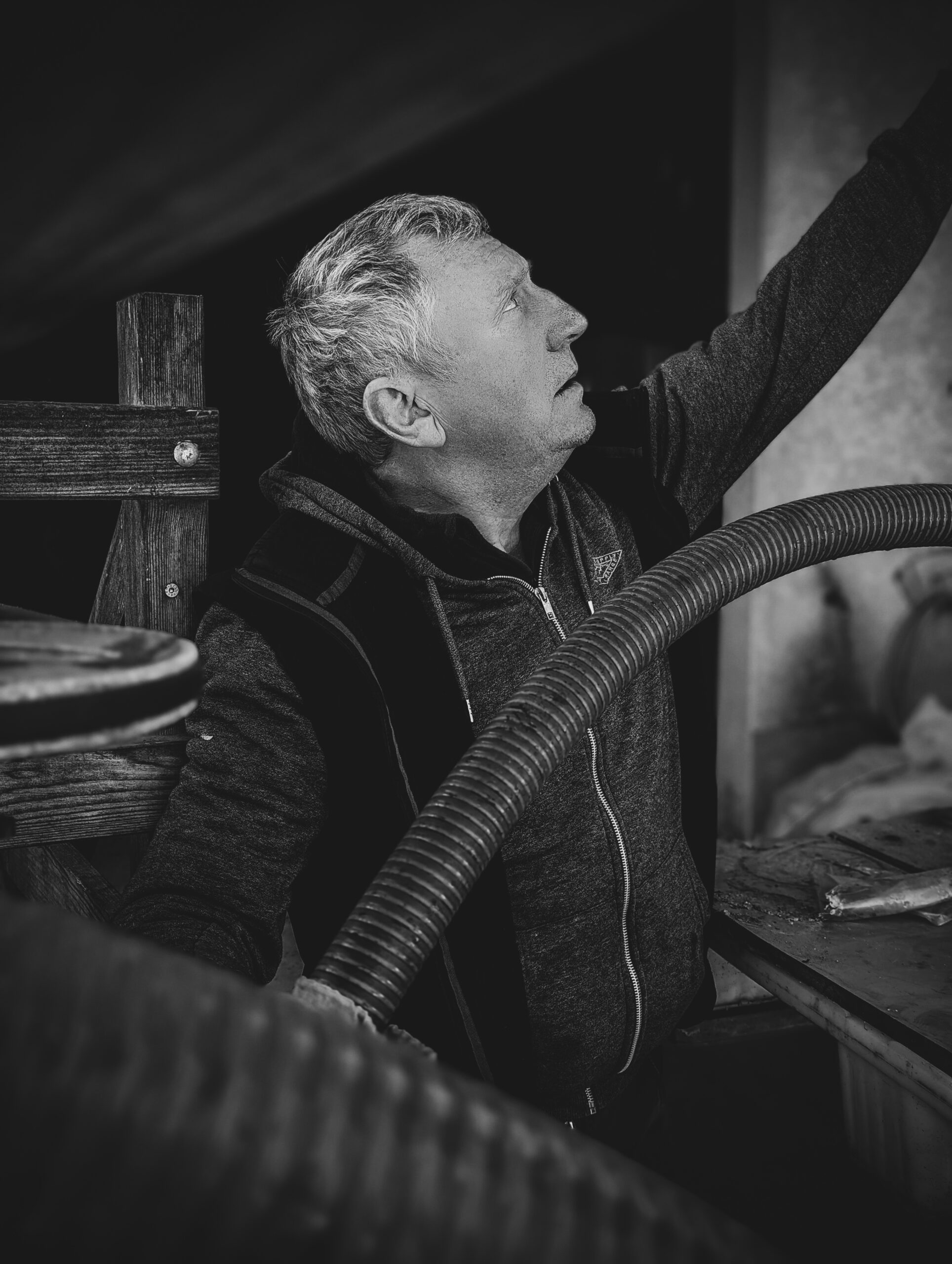
Since 1882, six generations have succeeded one another at the helm of the family estate, founded by Édouard Moutardier and Marie Lanne, who from the very beginning united the agricultural and winegrowing heritage of their families. Christophe, the fifth generation, established Domaine Christophe Mignon in La Boulonnerie in 1983, asserting his own vision focused on the Meunier and a nature-respectful approach. Since 2006, his wife Laurence has supported him daily in the domaine’s development.
In 2020, their younger son Loann joined the family adventure, embodying the sixth generation of winegrowers, alongside his brother Nathan who—although he has chosen a different path—remains deeply connected to the estate and its history. Together, the family is committed to carrying forward this tradition spanning nearly 140 years, maintaining a strong dedication to 100% Meunier Brut Nature Champagne and to a viticulture that respects the terroirs of the Marne Valley.
02
alternative methods
Our Champagnes are elaborated in accordance with traditions that date back more than a century. Certain techniques used by our ancestors—now considered “alternative”—remain an integral part of our daily practices at the domaine. It should be noted that we do not hold Organic or Biodynamic certification. Instead, we have chosen to develop the “Arterra” label in partnership with a private certification body (Ocacia). Each year, this organization conducts an audit of our working methods, following a strictly defined set of standards.
Our aim is to achieve healthy vine growth and high-quality fruit, supported by deep root systems thriving in living soils.
ploughing
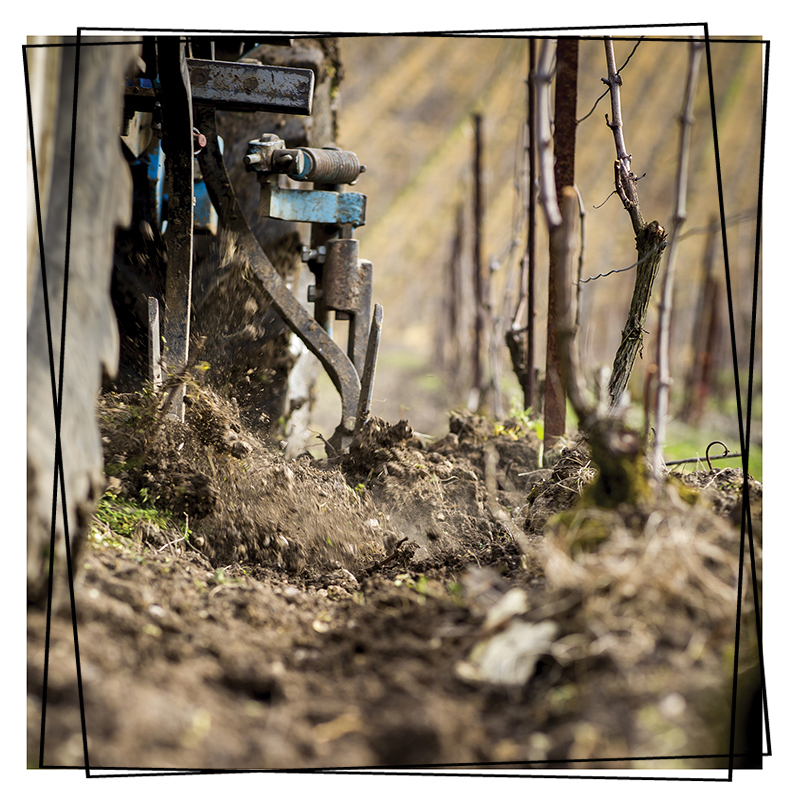
The soil is a complex and dynamic environment. We cultivate all our plots usingploughs that we have specially designed to avoid compacting the ground as they pass. This practice is essential for deep root development and for ensuring proper aeration of the soils that shape our terroir.
The rest of the work is carried out by those we like to call the “artisans of the soil.” They number several million living organisms per gram of earth, supported by 1 to 4 tonnes of earthworms per hectare… an exceptional natural wealth that must be preserved!
rain water
We use rainwater as the base for all our vineyard treatments. It is collected on the estate in January and February, then stored in two tanks of 64 hL each. The water is filtered through a medium containing charcoal and pozzolan—a natural rock formed from basaltic or similarly composed volcanic scoria.
This water is then used from spring onward to prepare infusions, macerations, dilutions, homeopathic treatments, or dynamized solutions — all essential preparations that help us maintain the health of our vines.
phytotherapy
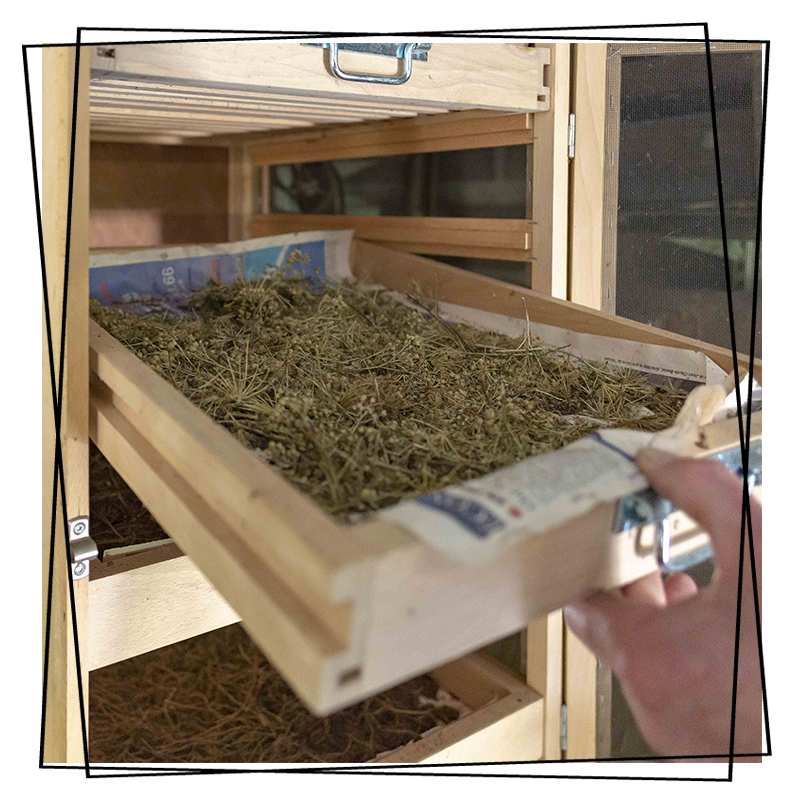
A plant-based approach that heals nature through nature, and for nature. Each year, we harvest plants that we then dry for use as treatments in our vineyard. We mainly work with nettle, horsetail, glossy buckthorn, valerian, and meadowsweet. Depending on the method of preparation—infusions, decoctions, or fermented extracts—these plants may offer fungicidal, insecticidal, repellent, inductive, or even phyto-stimulant properties. We also pay close attention to the water’s pH and redox potential, essential indicators for achieving effective results.
moon cycles
At the estate, all vineyard and cellar work is carried out in accordance with the lunar calendar. The moon and the planets influence not only the tides, but also limestone soils, as well as our vines and our Champagnes, through the water they contain. The monthly and daily cycles of the lunar calendar govern the laws of nature and resonate deeply within all living organisms: vitality, energy, fruit expression, levels of SO₂, and more.
These lunar cycles therefore set the pace of our work throughout the year — from vine to wine.
homeopathy
We prepare homeopathic dilutions according to the specific needs of each parcel. The aim is to “inform” the rainwater used in our preparations. Through this method, we do not seek to block potential diseases, but rather to prevent them from developing. Our 128th dilutions are made from volcanic sulfur, copper for its fungicidal action, garlic for its insecticidal properties, silica to regulate light, and heat-modulating plants such as meadowsweet or valerian.
dynamization
Dynamization is a process that transfers energy and active principles from a preparation into water. We use only rainwater collected during favorable periods of the lunar calendar. These dynamizations are made from compost, various plants, or silica. Applying these preparations in our vineyard allows our grapes to fully express themselves through a living terroir. Through this approach, the vine achieves a natural balance between cosmic and telluric forces.
geobiology
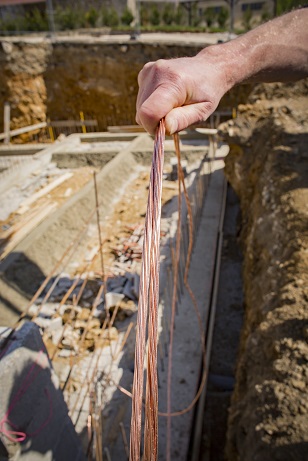
Everything is composed of wavelengths and information. This is why we pay close attention to energy fields of electrical and magnetic origin. Our buildings were designed with the assistance of a geobiologist: copper wires were integrated into the reinforcement of the structures, grounding outlets expel negative information, and “informed” water was incorporated into the concrete used for our cellars. Everything is designed to preserve the estate’s balance, enhance its vibrational system, and encourage the circulation of positive energies — for both ourselves and our wines.
“Supporting nature through nature, for nature : the intention is simple, its implementation far more demanding…” We have chosen to cultivate the vine with love and patience, so as to harvest the finest fruit. Our pursuit of balance continues in our cellars, which are far from neutral spaces and receive the same attentive care. The wine must remain there until it reaches its full maturity.
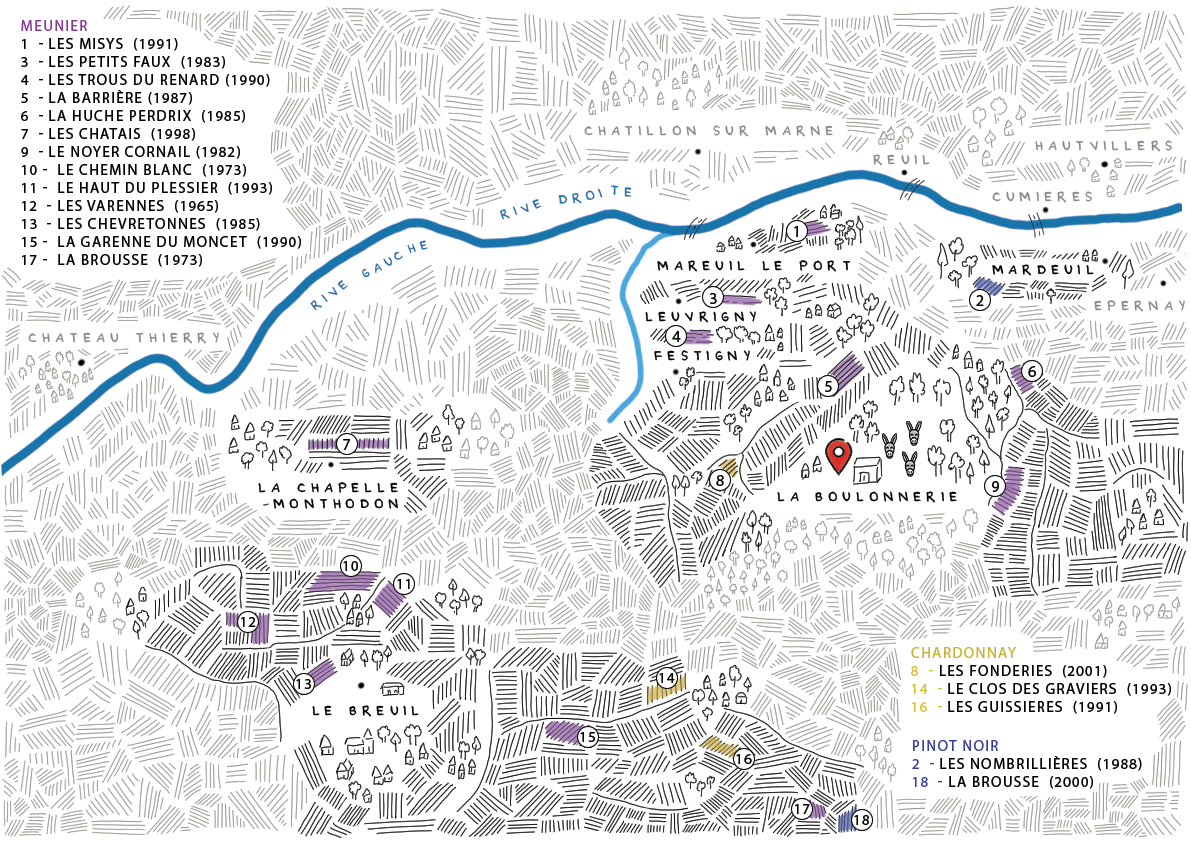
Our 6 hectares of vineyards, located in the villages of Festigny and Le Breuil, comprise around twenty plots that form the estate’s remarkable mosaic. This fragmentation, the result of a long history, adds depth and complexity to our Champagnes.
04
vinification
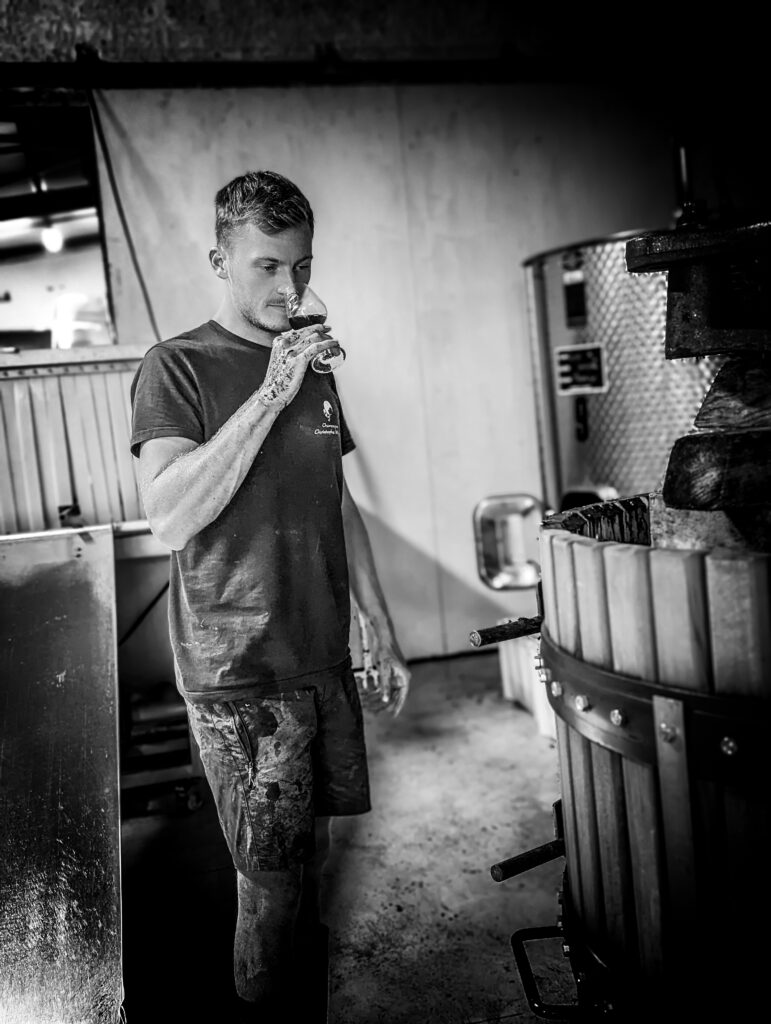
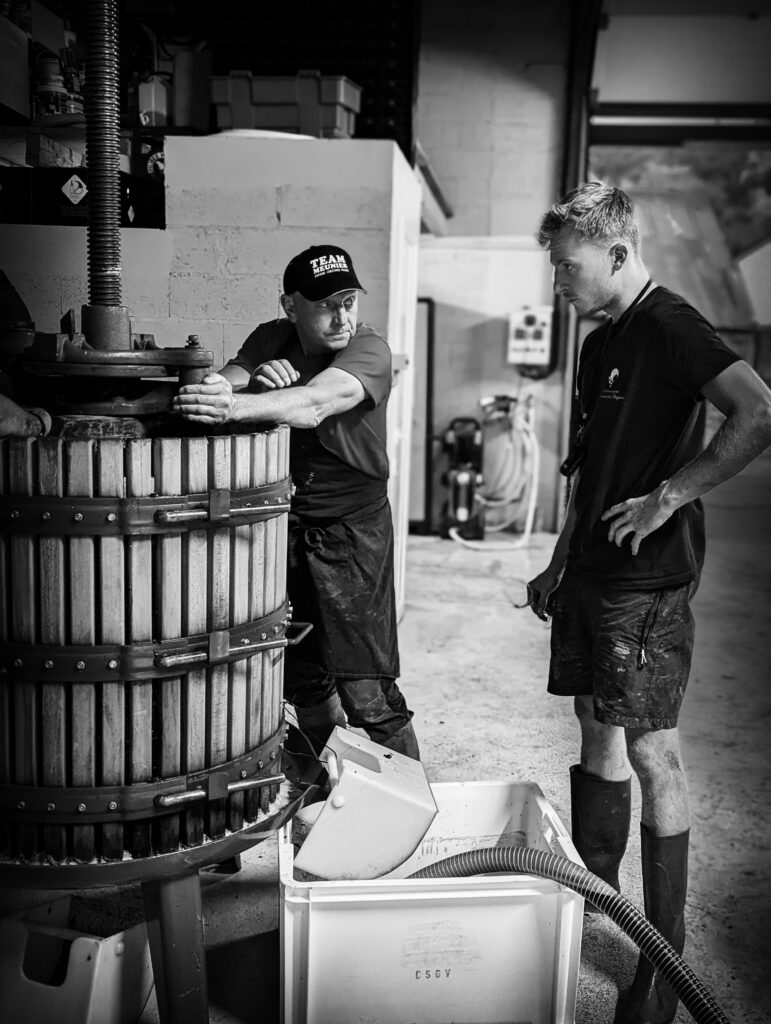
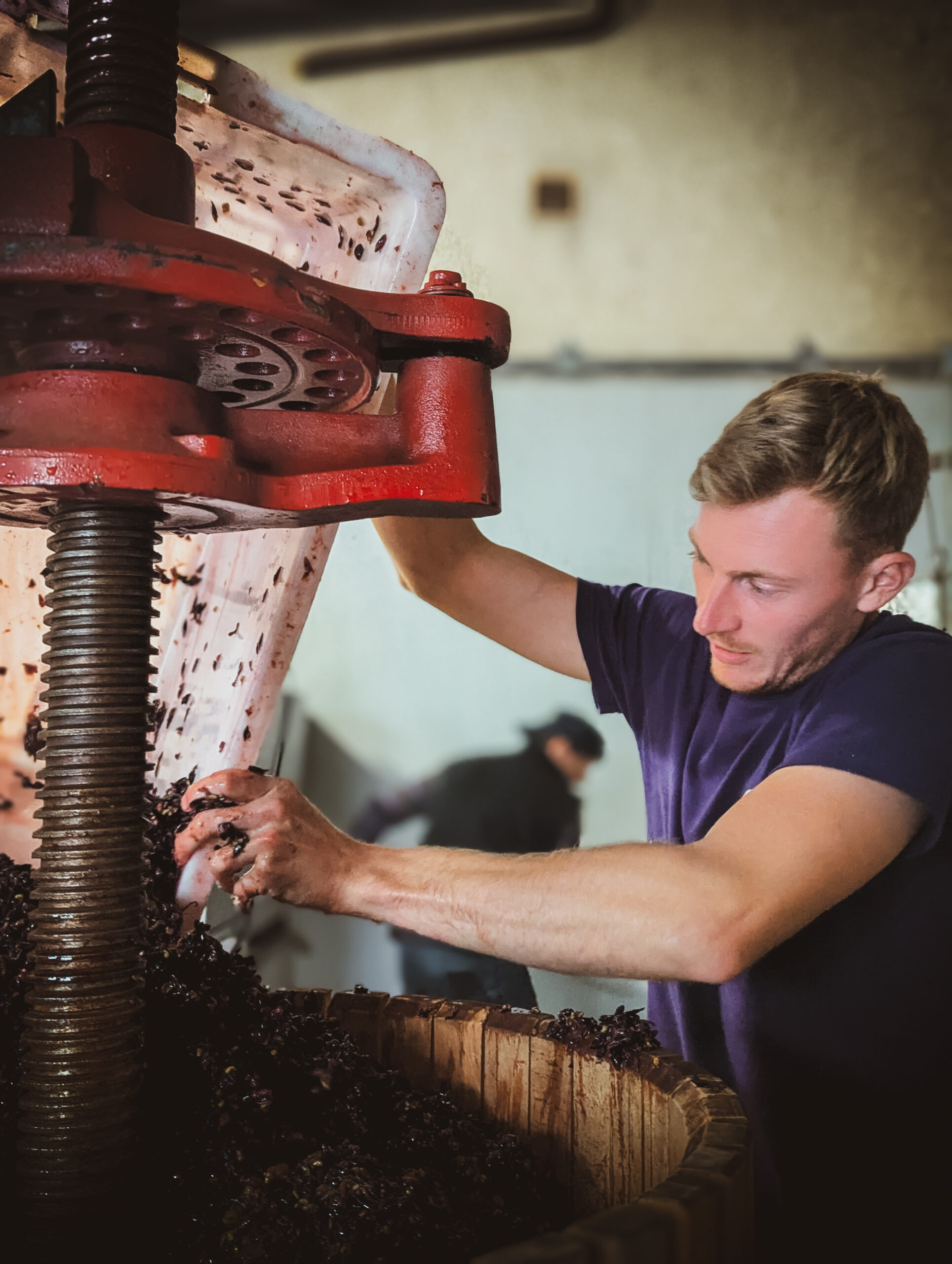
When physiological ripeness is reached, the grapes—at optimal quality—are harvested by hand. They are then quickly pressed in one of our two pneumatic presses before undergoing a rigorous winemaking process. We limit the use of SO₂ and rely exclusively on volcanic sulfur. Our tanks are not temperature-controlled; we allow the wines to undergo natural cold stabilization when weather conditions permit. We do not filter our wines, nor do we carry out malolactic fermentation. The wines are vinified in enamelled steel tanks, where they remain on fine lees for a minimum of five months. The second fermentation takes place in the bottle using yeasts from a biodynamic estate and organic beet sugar. Every step is closely monitored. The dates for racking, bottling, and disgorgement are chosen according to the lunar calendar.
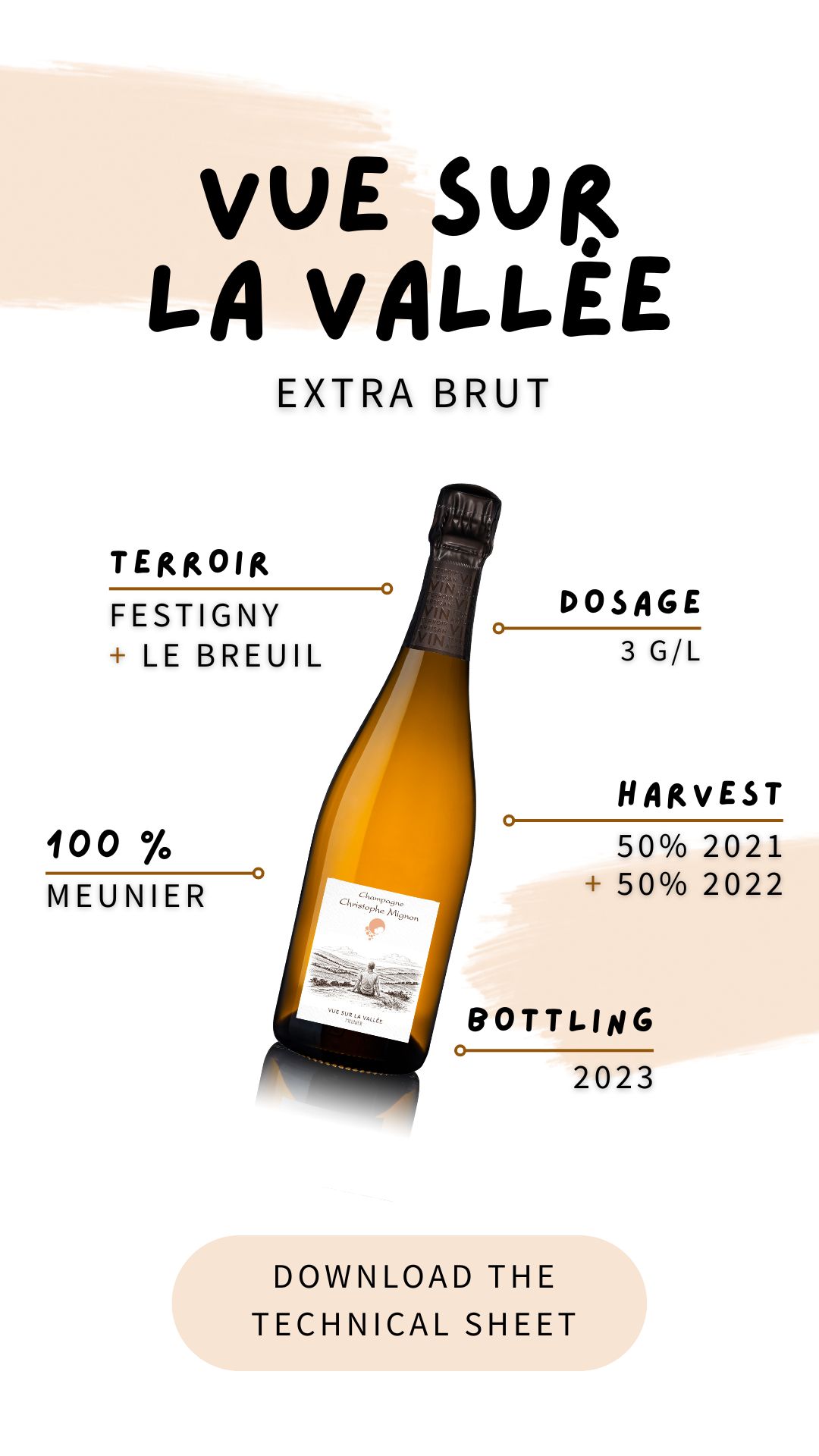
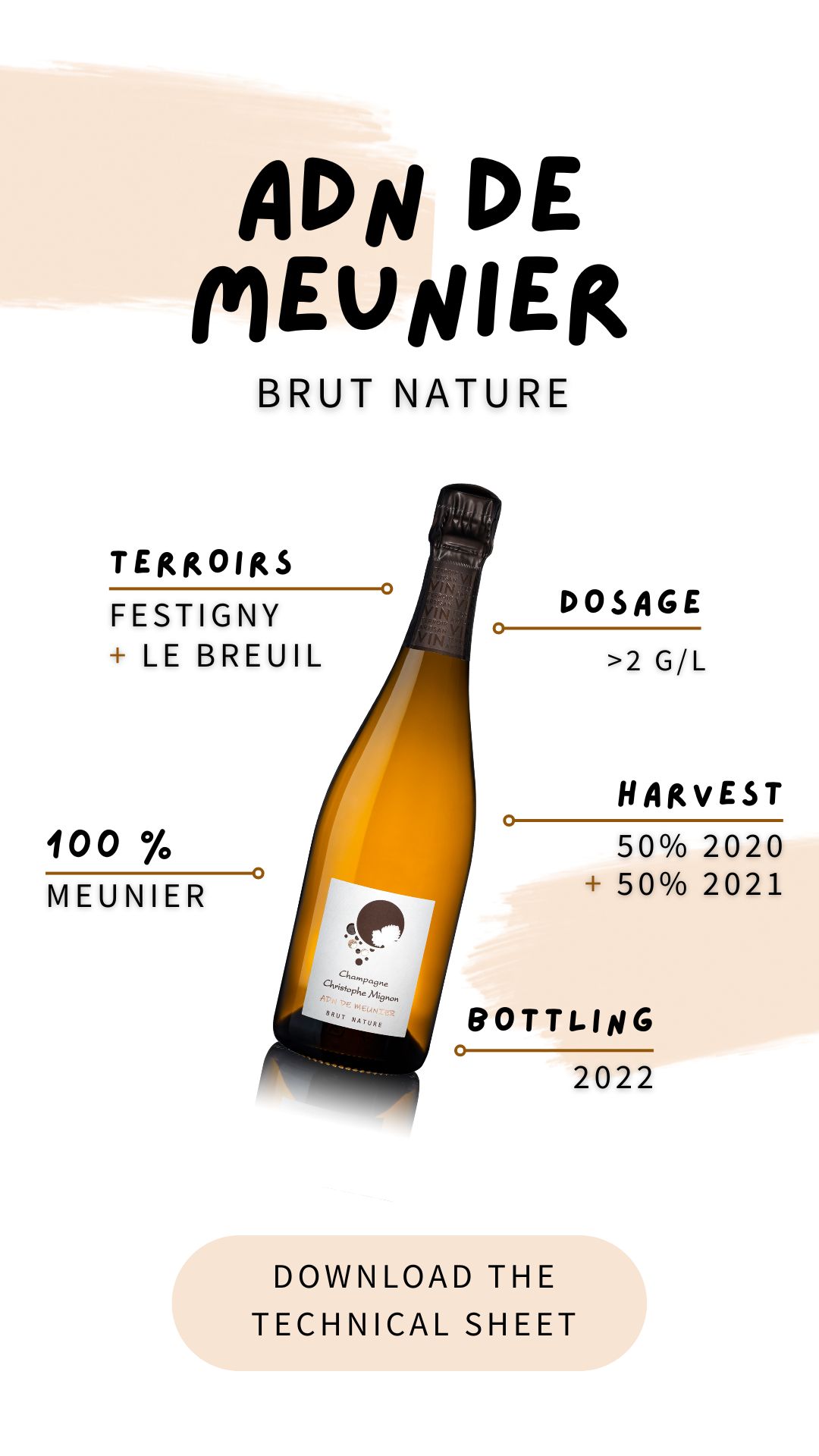
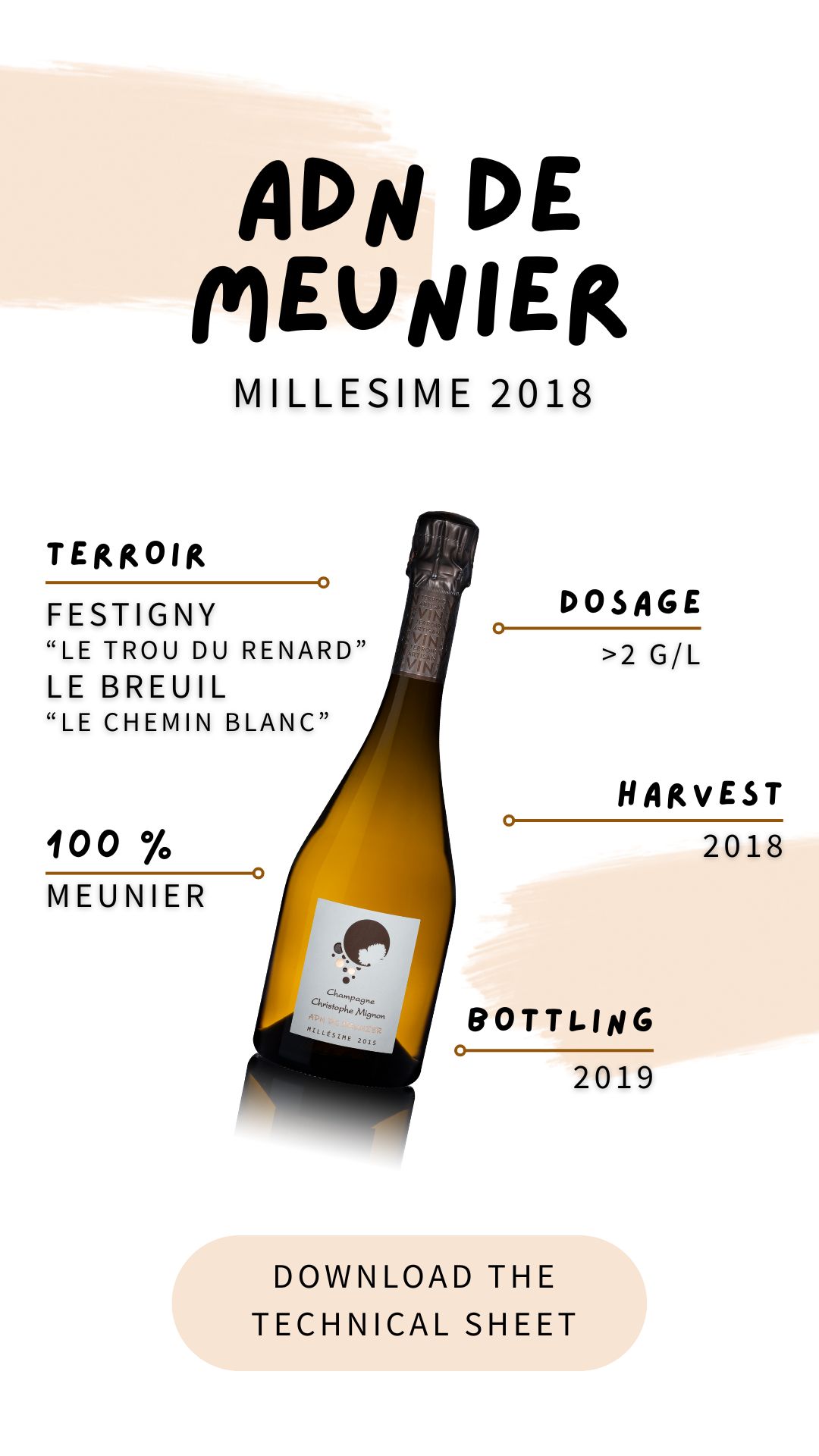
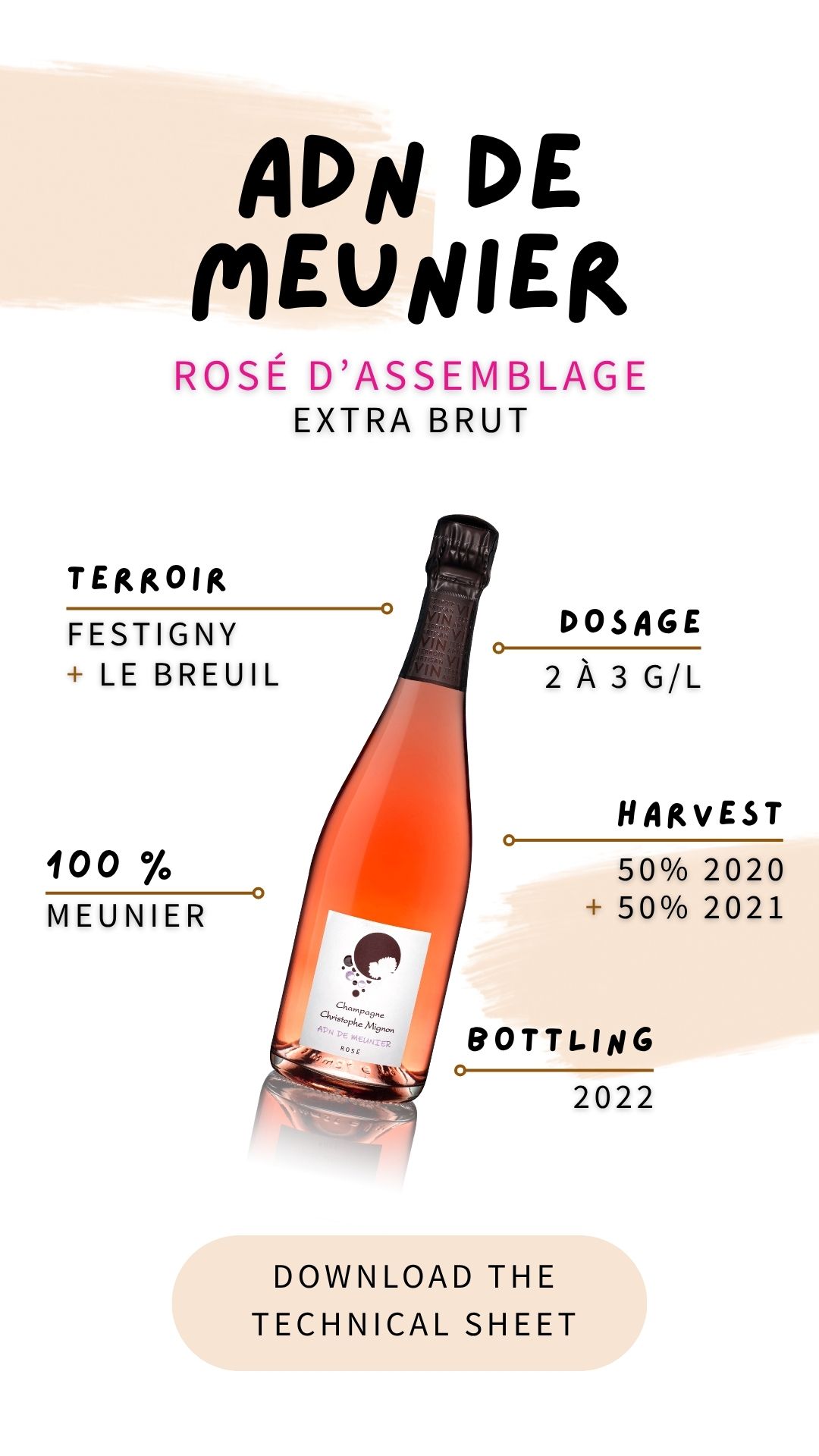
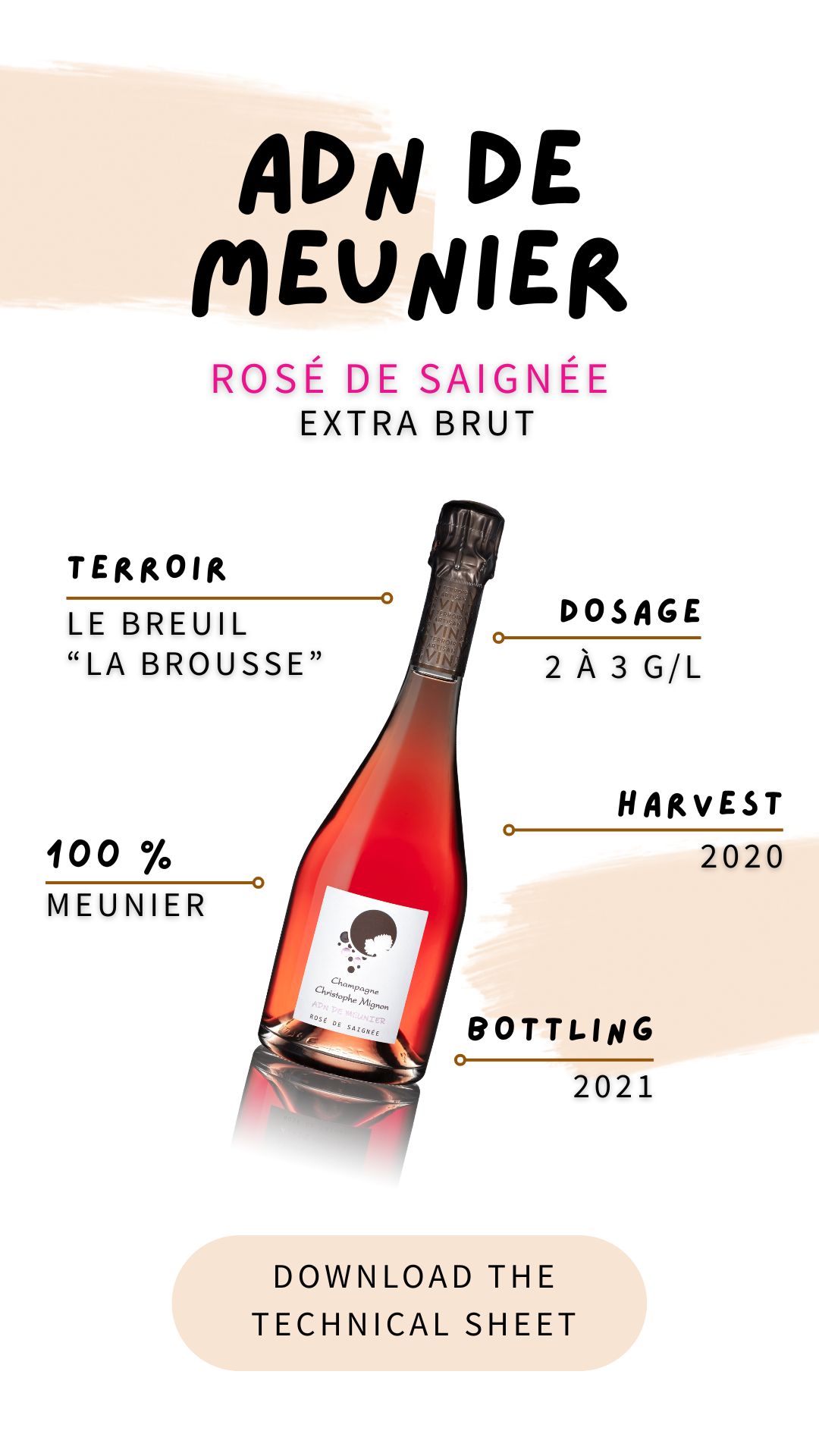
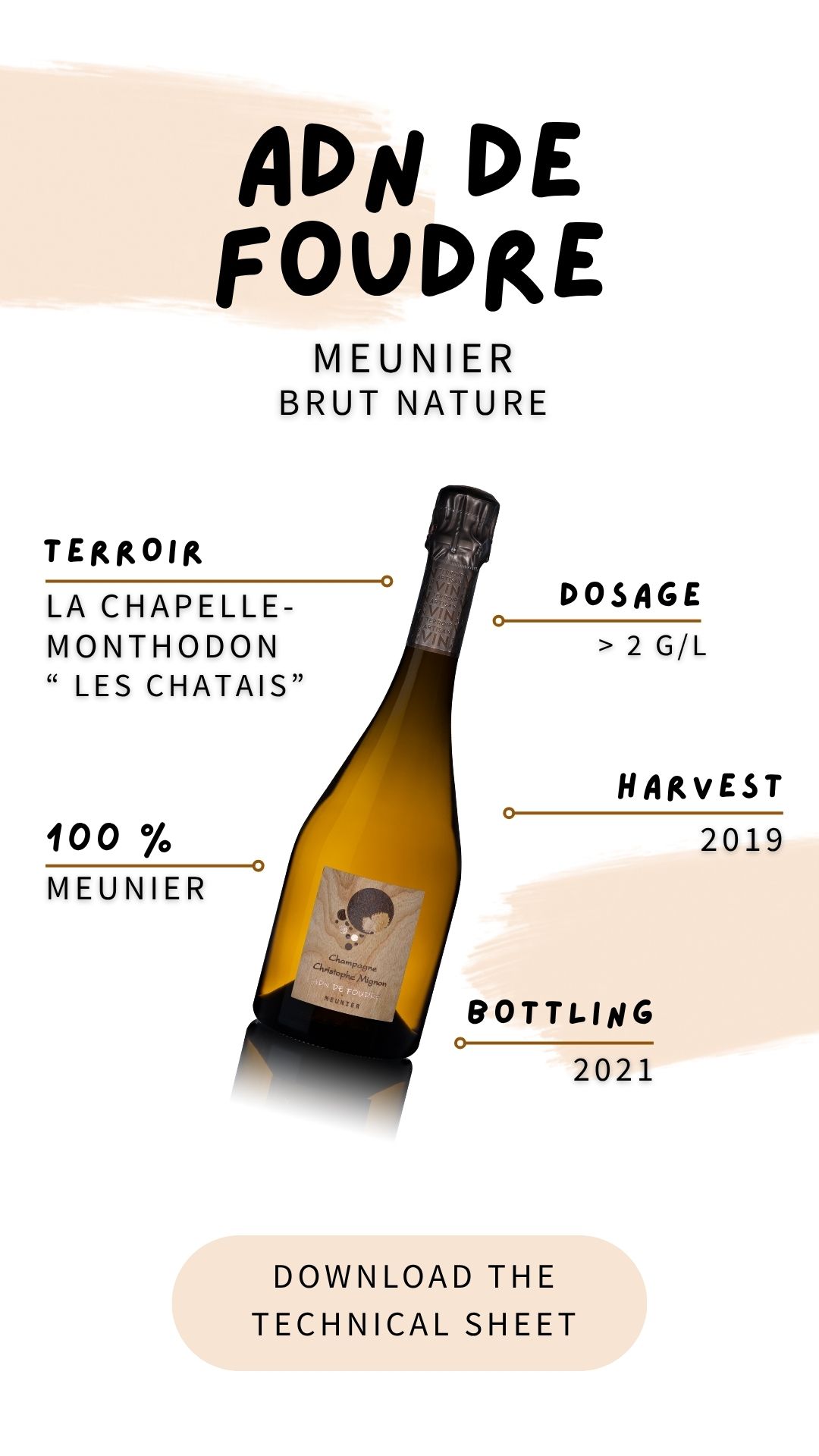
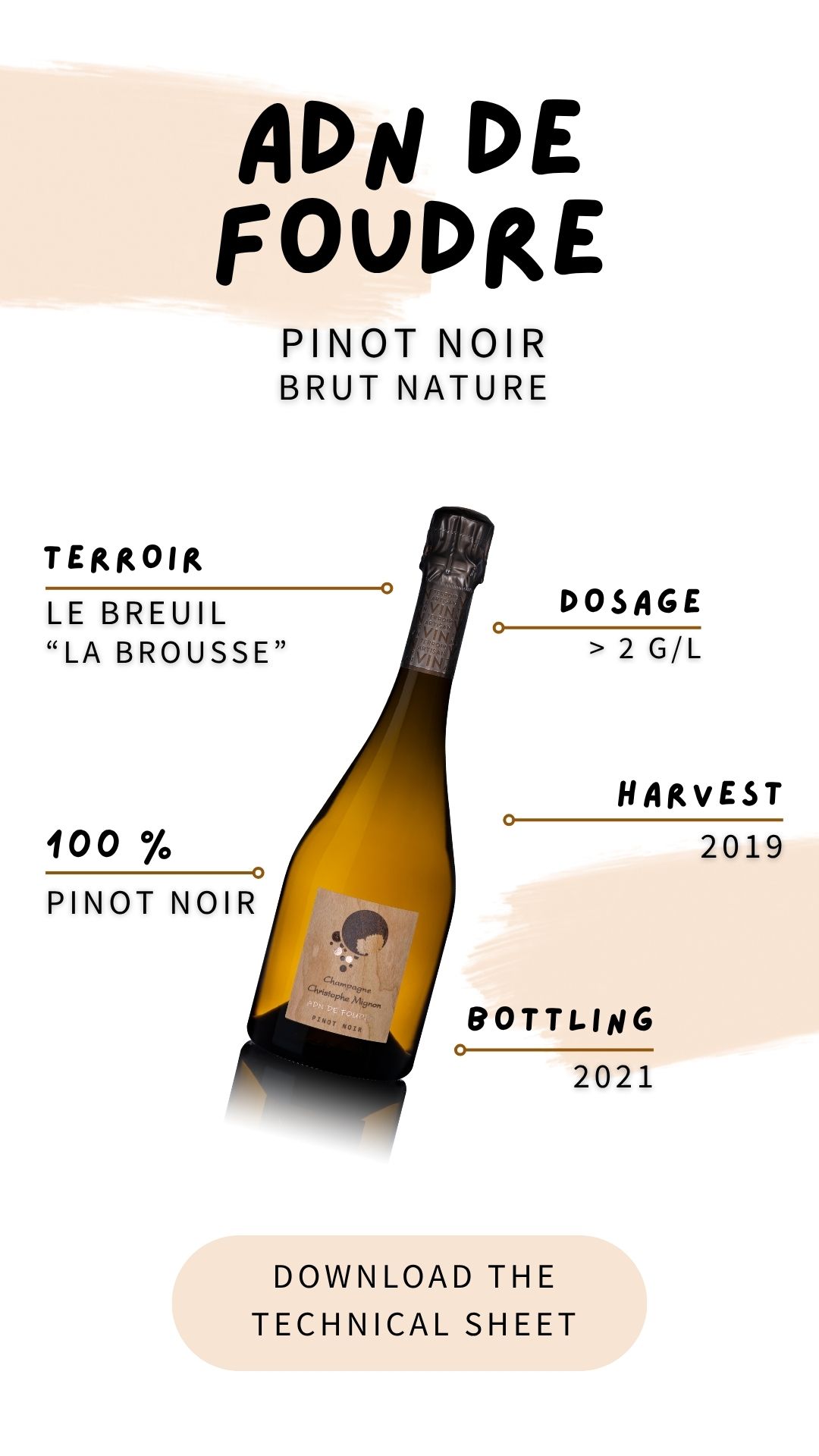
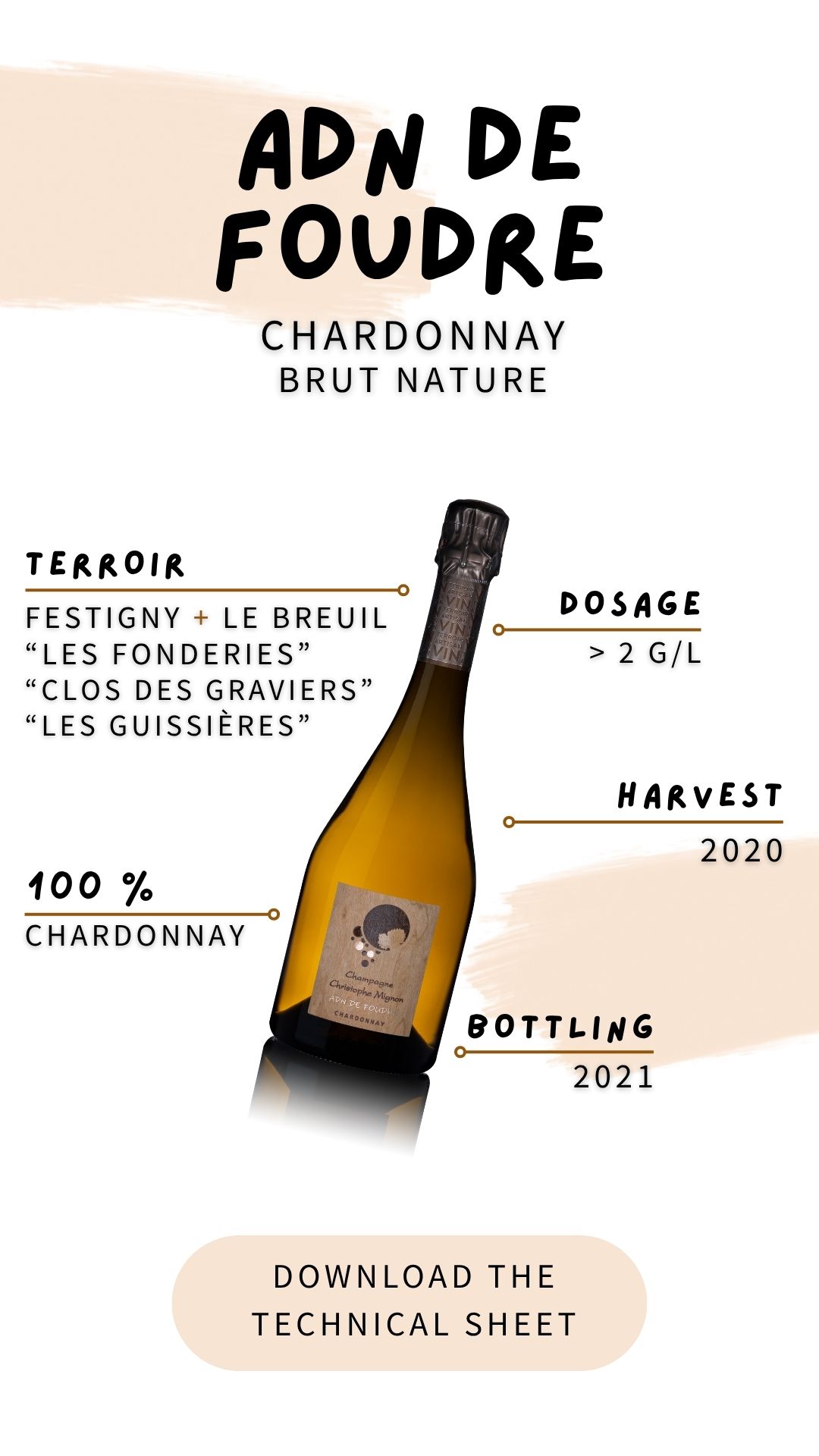
Our ADN de Meunier cuvées are 100% Meunier wines, vinified in enamelled steel tanks with no oak influence. Our ADN de Foudre cuvées, on the other hand, are single-varietal wines vinified in enamelled steel tanks, then matured for one year in big oak barrel.
05
our cuvées
06
Find us
Germany Austria Canada / Alberta Canada / Quebec Canada / Toronto Canada / Vancouver China South Korea Denmark Spain France Hong Kong Italy Iceland Japan Netherlands Spanish Basque Country Czech Republic Singapore Switzerland
Sweden Taiwan
UNITED STATES: California Colorado Connecticut Florida Georgia Illinois Kentucky Maine Massachusetts Maryland Minnesota New York New Jersey Ohio Oregon Pennsylvania Puerto Rico Rhode Island Texas Washington
07
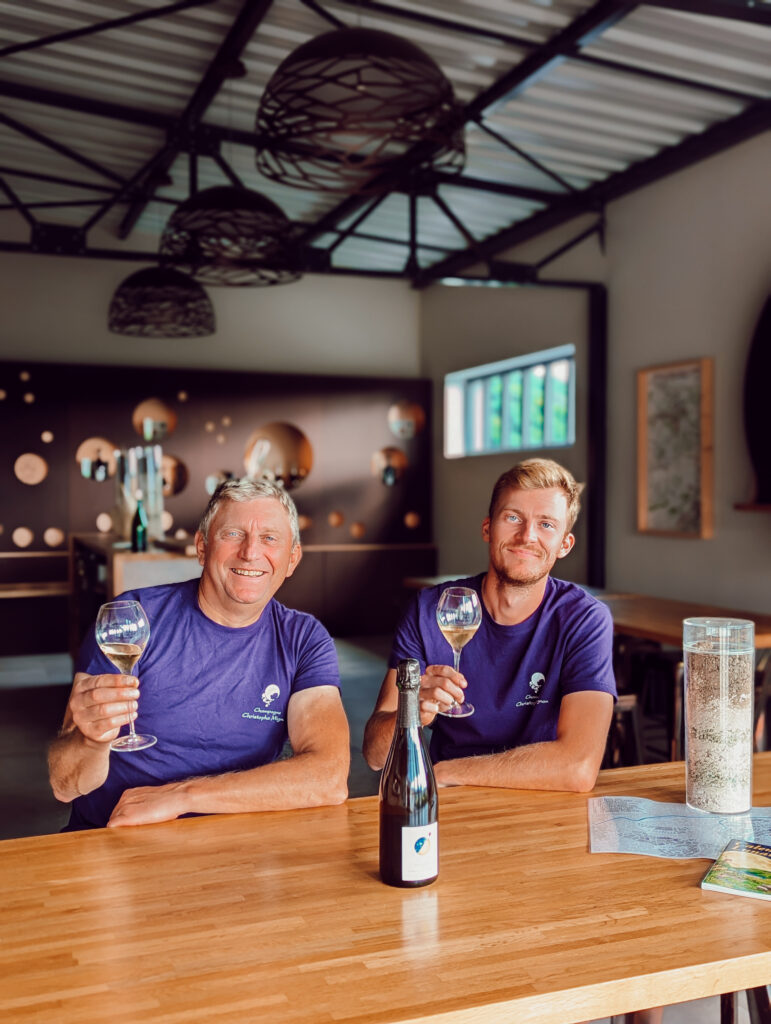
Tour or tasting
We are pleased to welcome you to the estate to introduce you to our working methods and our Champagnes. For all inquiries, please specify your preferred date, the number of people, and how you came to know about our estate.